Parents have experienced first-hand how social media platforms negatively impact the mental health of young adults and teen users, particularly teen girls.
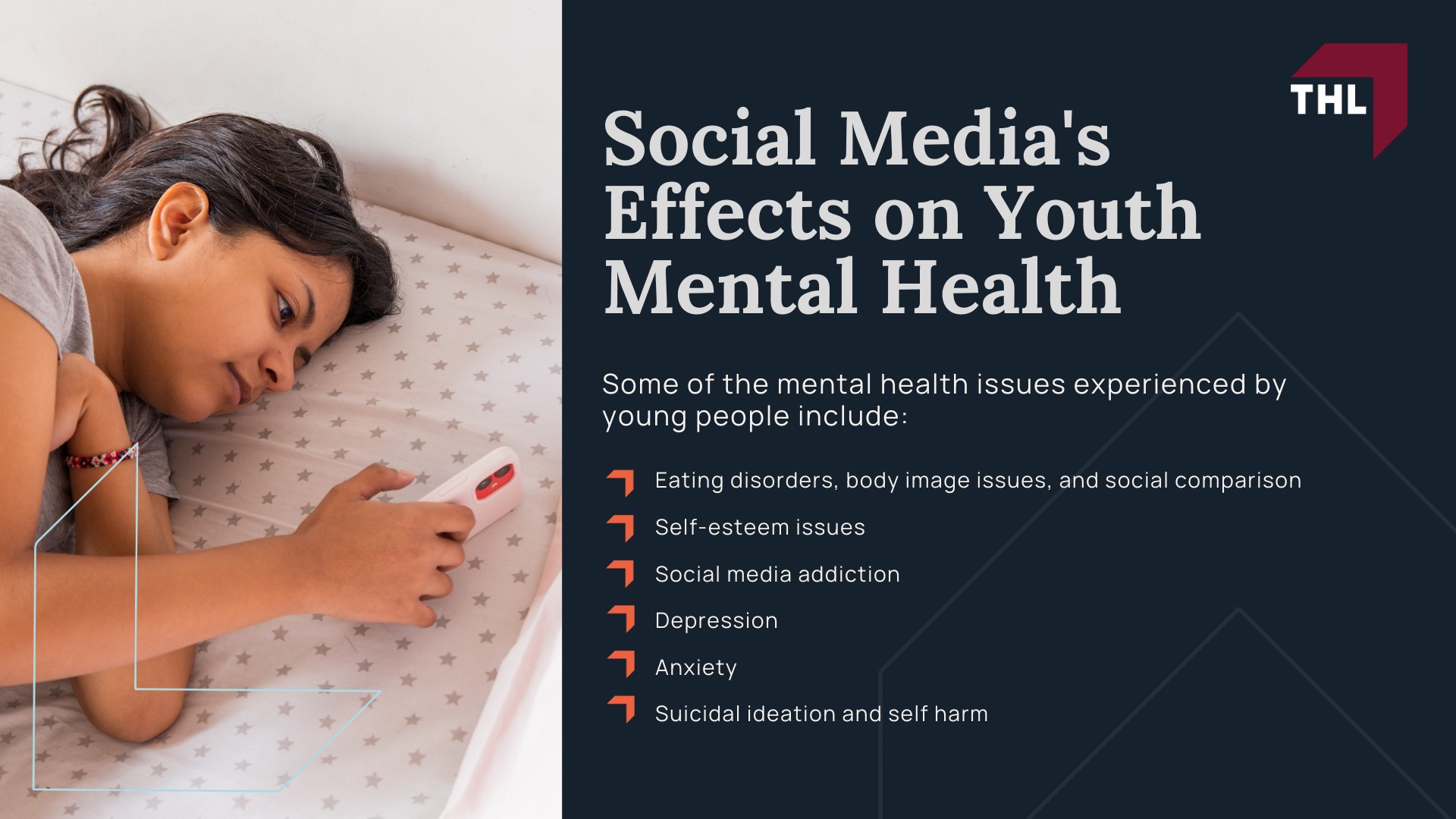
Social media platforms have caused young users to develop all sorts of mental health problems, from eating disorders and body dysmorphia to anxiety and depression.
Some users are even victims of cyberbullying, becoming more prone to depression, suicidal ideation, and self-harm.
Since the filing of the first social media addiction lawsuits, hundreds of families have filed also filed suit against social media companies like Meta.
These lawsuits hold aim to hold Facebook and other social media giants liable for causing mental health issues in young users, refusing to take action and monitor harmful content, and deliberately designing their platforms to foster social media addiction.

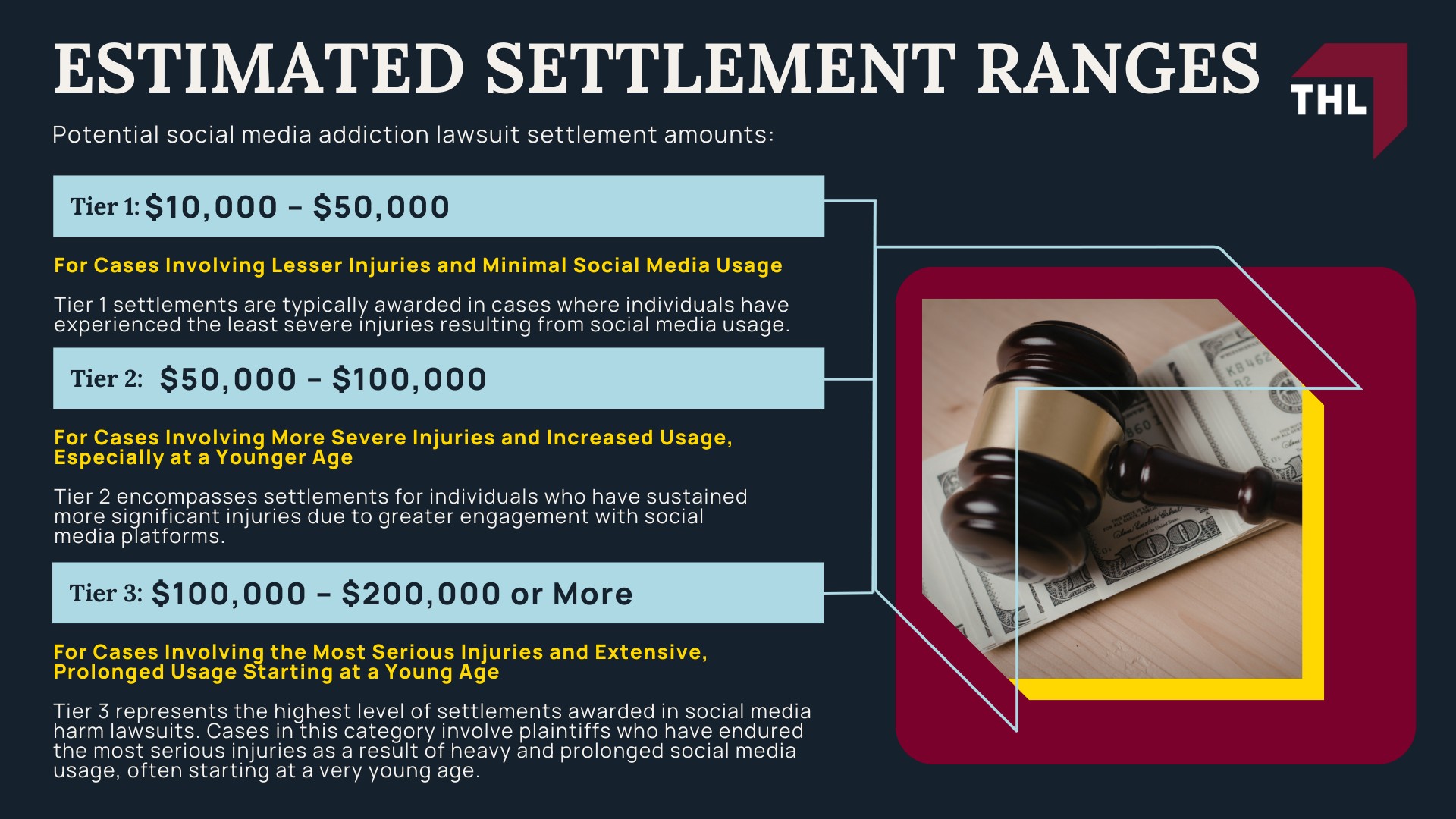
If you or a loved one developed mental health problems after chronic and excessive social media use, you may be eligible to file a social media harm lawsuit and pursue financial compensation.
Contact TorHoerman Law for a free consultation.
You can also use the chatbot on this page to find out if you qualify to take legal action instantly.
Social Media Companies Know About the Harmful Impacts of their Platforms
In 2021, ex-Meta data engineer and Facebook whistleblower Frances Haugen leaked internal Facebook documents to the Wall Street Journal.
These documents proved what everyone suspected all along — that Facebook knew of the negative mental health effects of its platforms.
Worse yet, these documents also show that Facebook did nothing to protect its young social media users from mental health problems.
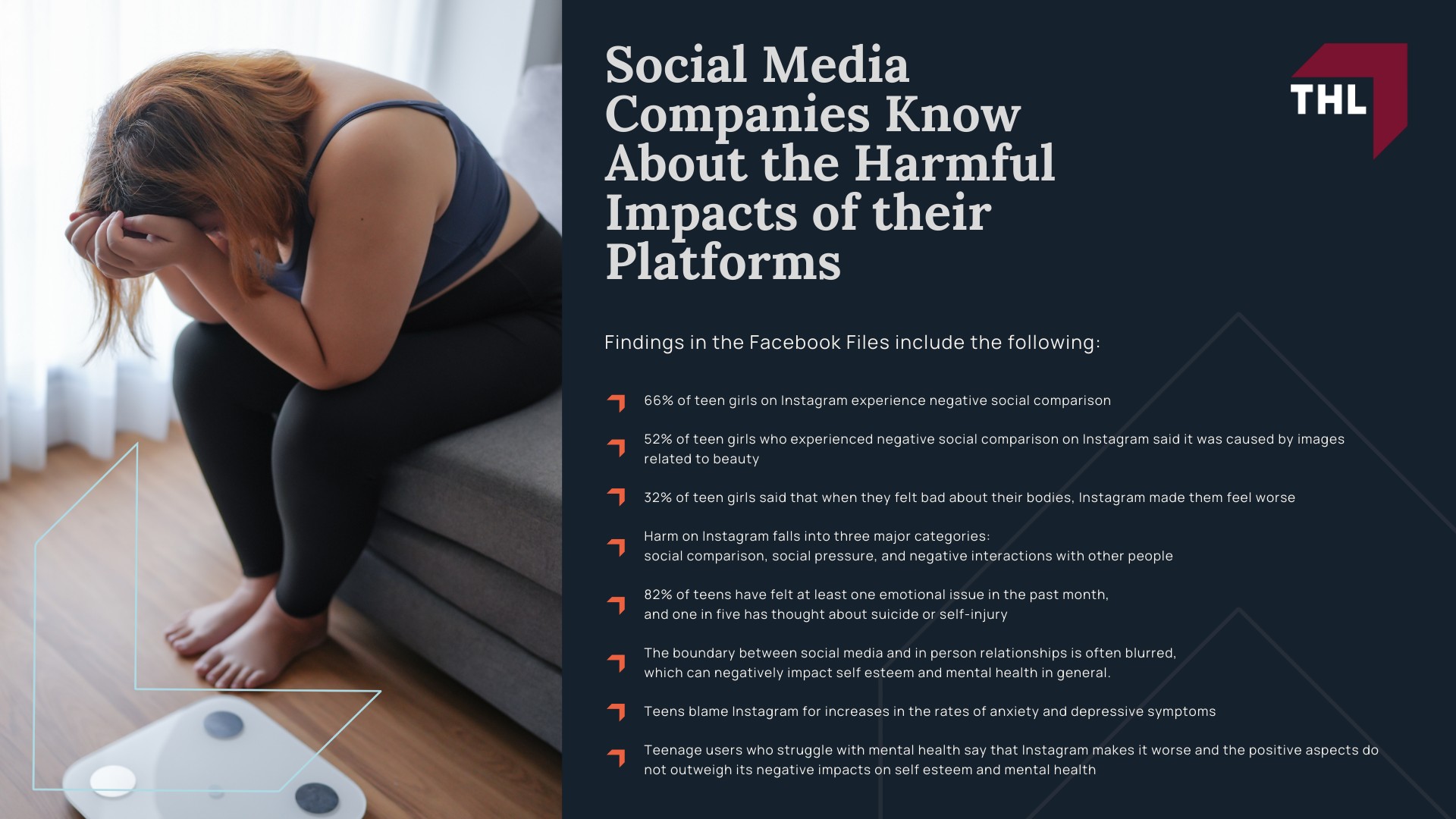
Findings in the Facebook Files include the following:
- 66% of teen girls on Instagram experience negative social comparison
- 52% of teen girls who experienced negative social comparison on Instagram said it was caused by images related to beauty
- 32% of teen girls said that when they felt bad about their bodies, Instagram made them feel worse
- Harm on Instagram falls into three major categories: social comparison, social pressure, and negative interactions with other people
- 82% of teens have felt at least one emotional issue in the past month, and one in five has thought about suicide or self-injury
- The boundary between social media and in person relationships is often blurred, which can negatively impact self esteem and mental health in general.
- Teens blame Instagram for increases in the rates of anxiety and depressive symptoms
- Teenage users who struggle with mental health say that Instagram makes it worse and the positive aspects do not outweigh its negative impacts on self esteem and mental health
Young people use Instagram and other social media platforms at extremely high rates, and the lack of guidance provided to young users puts them at risk of consuming harmful content.
According to Pew Research Center’s 7 Facts About Americans and Instagram:
- Around seven-in-ten Americans ages 18 to 29 (71%) say they ever use Instagram.
- In a spring 2018 survey, roughly seven-in-ten U.S. teens ages 13 to 17 (72%) said they used the site.
- Children ages 11 and younger also engage with Instagram, though in relatively small shares, according to a spring 2020 survey, despite Instagram’s age guidelines which usually restrict children younger than 13 from joining.
- More than 40% of Instagram users are 22 years old or younger.